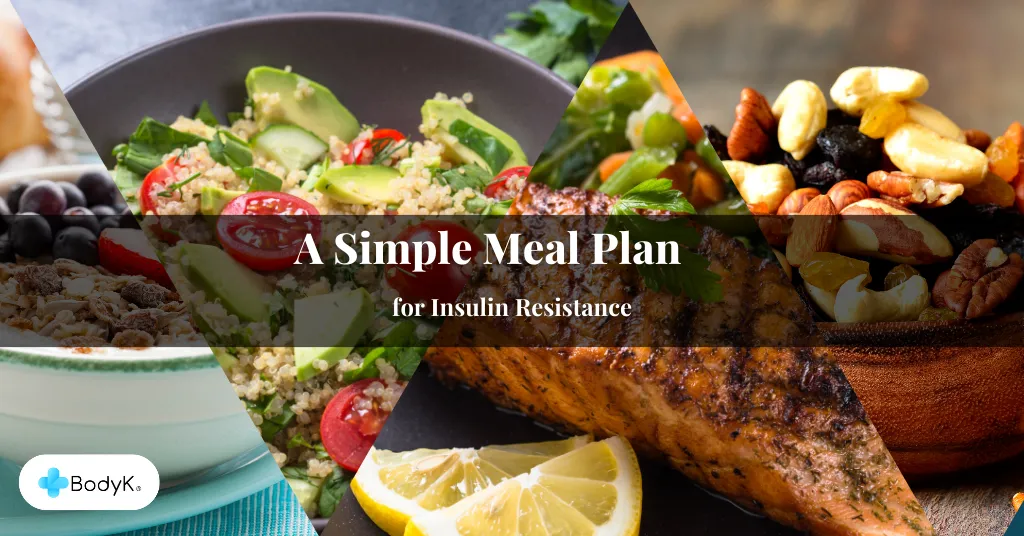
A simple meal plan for insulin resistance is crucial for managing blood glucose levels effectively. When cells become resistant to insulin, they fail to take up glucose from the blood, causing blood sugar levels to remain high. This condition is called Insulin Resistance.
If left untreated, this condition can ultimately progress to type 2 diabetes or prediabetes. But there’s a solution. As per the NIDDK research, there are a few things you can do to manage insulin resistance, such as dietary changes, weight loss, and increased exercise.
In this article, we will explain the importance of insulin resistance and deliver a simple meal plan for insulin resistance to help patients fight diabetes effectively.
What is Insulin Resistance?
Also known as impaired insulin sensitivity, insulin resistance is a condition in which cells of your body become resistant to insulin, a hormone that regulates blood sugar levels.
Generally, after eating, your sugar level rises, which triggers a response in your pancreas to release insulin. However, if your cells have developed insulin resistance, the pancreas tries to compensate by producing more insulin. This cycle can lead to higher blood sugar levels and may develop into prediabetes or type 2 diabetes.
Insulin resistance can be acute or chronic and may be treatable in some cases. If left untreated, it can lead to various diseases other than type 2 diabetes, such as obesity, nonalcoholic fatty liver disease, cardiovascular disease, metabolic syndrome, and polycystic ovary syndrome (PCOS).
Causes and Risk Factors

According to the American Diabetes Association (ADA), there are many causes and risk factors for developing insulin resistance, from genetics to lifestyle; understanding these factors beforehand can help you manage or even prevent this condition.
| Obesity | Insulin resistance stems from excess body fat. |
| Dietary factors | Saturated fats, increased sugar intake, and refined carbohydrates contribute to insulin resistance. |
| Sedentary lifestyle | Insulin sensitivity is worsened by decreased physical activity. |
| Genetics | This happens to a few individuals with a genetic predisposition to insulin resistance. |
| Age | The risk increases after the age of 45. |
| Stress | High cortisol levels counteract the effects of insulin. |
Diagnosis

According to the CDC, it is not easy to tell if the patient has Insulin resistance because it doesn’t show any symptoms, as your pancreas keeps producing more insulin to keep your blood sugar in range.
However, when insulin resistance worsens, and the pancreatic cells that produce insulin begin to fail, symptoms appear due to the body’s inability to regulate blood sugar. This is what we call hyperglycemia, and it may lead to visible symptoms such as:
- Unusual increase in thirst or a persistent hunger
- Frequent urination
- A feeling of numbness or tingling in the hands and feet
- Increased vulnerability to infections
- Fatigue
- May develop Acanthosis Nigricans, a dark, velvety skin discoloration that develops in most people only in the neck area and armpits.
More advanced diagnostic screenings are required to make a more appropriate diagnosis in the early stages of insulin resistance, such as BodyK’s Preventive Biometric Screening.
This screening helps to identify the underlying cause of a patient’s symptoms in just 7 minutes without any invasive procedure. You just have to set up the software with the patient’s information, then attach disposable electrodes to the feet and forehead, a cuff to the left arm, and a pulse oximeter finger on the right arm.
After these settings, you have to wait 7 minutes to get the complete wellness profile. This comprehensive wellness profile is analyzed with the help of biomarkers that track several indicators, such as inflammation, insulin resistance, hypertension, immune response, and many others.
Specifically for insulin resistance, the screening uses PTG spectral analysis to calculate the PTG-TP sensitivity. Studies have shown that the use of PTG-TP markers from the PTG spectral analysis is a reliable tool in the early detection and monitoring of insulin resistance.
This not only helps in the initial diagnosis but is also an effective tool for continuous monitoring, allowing doctors to adjust treatments accordingly based on real-time data.
Management And Treatment
Not all factors that cause insulin resistance can be treated, for example, genetic factors and age. That is why lifestyle changes become the most important therapy for insulin resistance.
Your goal should be to take the patient towards reversing insulin resistance, and it is only possible by incorporating a simple meal plan for insulin resistance.
Key Dietary Changes:
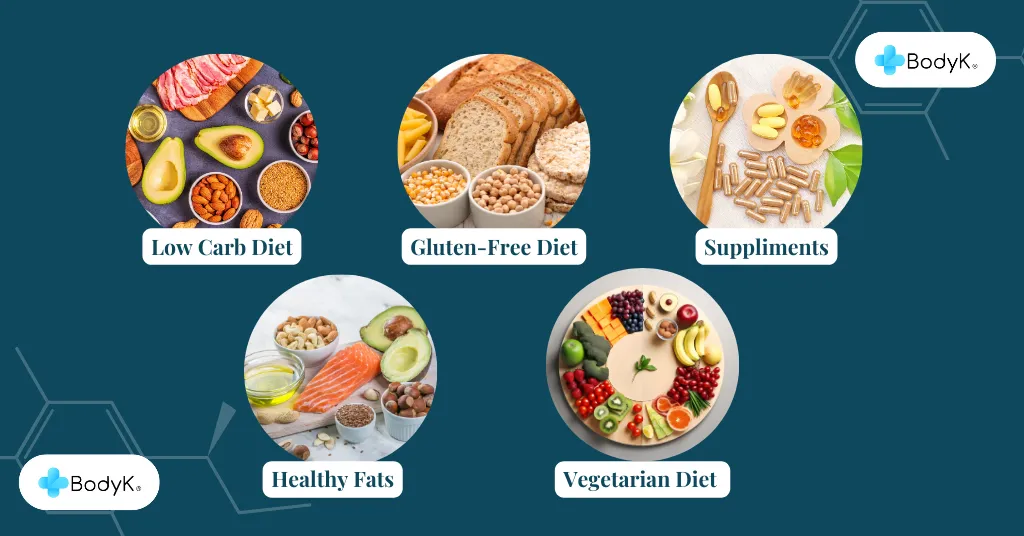
Here are some positive dietary recommendations that can help reverse insulin resistance:
- Take a low-carb diet. A Low-carb diet doesn’t mean avoiding all carbs because not all are bad. High-fiber and whole-grain options are healthier. Here, the idea is to cut back on refined carbohydrate intake only to achieve better control over glucose levels and insulin sensitivity.
- Similar to carbohydrates, not all fats are unhealthy. Some healthy fats can be incorporated into a diet, such as olive oil, avocado oil, and nuts.
- Opting for a gluten-free diet for insulin resistance can be beneficial as the NCBI reported that it reduces inflammation and improves the symptomatology of insulin resistance.
- You can also recommend a vegetarian diet for insulin resistance, as the study reported that plant-based meals help to control blood sugar levels.
- Consider adding supplements to your diet, such as vitamin D, as it helps to improve insulin function.
Lifestyle Changes

Apart from that, you will also need to recommend patients to implement certain lifestyle changes to manage insulin resistance effectively, such as:
- According to the ADA, increasing physical activity and cardio exercises can help lower blood sugar levels.
- Taking regular meals prevents significant changes in blood sugar levels and allows insulin to act throughout the day.
- Focus on maintaining a healthy weight by taking care of portion size and calorie intake. This can help manage blood glucose levels. In fact, according to a study, an increased waist size is associated with decreased insulin sensitivity.
- You may also ask the patient to consult a dietician or nutritionist for a personalized and simple meal plan for insulin resistance.
Foods to Limit or Avoid
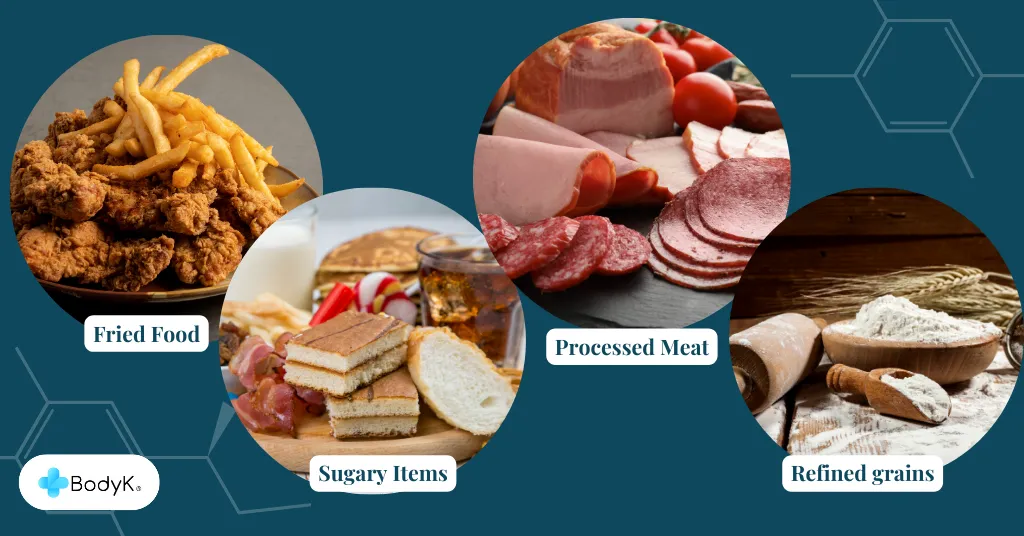
Make sure to avoid these foods when managing insulin resistance:
- Fried foods: Dangerously high levels of unhealthy fats can increase the risk of HDL cholesterol, high triglycerides, and obesity.
- Added sugar: This includes pastries and sugary cereals. According to research, high consumption of added sugar increases insulin resistance and fasting blood sugar levels, resulting in an increased risk of developing type 2 diabetes.
- Processed red meats: According to a study, processed meats like beef, pork, and mutton can increase the risk of type-2 diabetes by 27%.
- Refined grains: White flour, white bread, white rice, and pasta are all refined grains and are known to increase insulin resistance. In a 2019 study, one group of researchers compared a diet high in refined grains with another rich in whole grains. The researchers’ findings indicated that intake of whole grains lowered insulin resistance by about 18%, while refined grains increased the same by 2%.
Simple Meal Plan for Insulin Resistance

Effective management of insulin resistance requires smart choices about foods that maintain stable blood sugar levels. Here’s a simple meal plan for insulin resistance with proper breakfast, lunch, dinner, and snack options designed to help the body maximize its insulin sensitivity:
Breakfast Ideas
- Overnight oats with chia seeds and blueberries – Mix ¼ cup rolled oats with ⅓ cup of milk, ¼ cup Greek yogurt, two teaspoons chia seeds, two teaspoons honey, and ¼ teaspoon cinnamon. Add a handful of blueberries for extra flavor and antioxidants.
- Spinach and Banana Smoothie – Blend a handful of spinach with one banana, a cup of almond milk, and a tablespoon of chia seeds for refreshment and nourishment to start the day.
- Whole Wheat Toast and Cereal – A medium-sized slice of whole wheat bread with two tsp of jelly, a cereal cup comprising shredded wheat, and a cup of milk low in fat and 1% rated.
Lunch Ideas
- Spinach Salad with Quinoa – Mix some fresh spinach with cooked quinoa and add veggies, then toss it with a vinaigrette made from olive oil, lemon juice, Dijon mustard, salt, and herbs.
- Half Grilled Cheese Sandwich with Tomato Soup – Make half a grilled cheese sandwich and serve with one cup of low-sodium tomato soup to fill you up.
- Quick Mixed Greens Salad – Combine a pre-diced mix of veggies, like slaw mix or baby greens; add about ⅓ cup chickpeas and 4-6 oz protein like grilled chicken or salmon, and dress with a simple homemade vinaigrette.
Dinner Ideas
- Grilled Salmon and Vegetables – Grilled salmon fillet with a small baked potato (topped with 1 tsp margarine), ½ cup carrots, and ½ cup green beans.
- Squash Spaghetti Bolognese – Cover 1-2 cups cooked squash spaghetti with 4-6 ounces of lean ground beef, which should be browned in a low-sugar tomato sauce and have roasted vegetables as a side.
Snack Ideas
- Fresh Fruits – These include some fruits that fall under the low glycemic index, such as peaches, raspberries, pears, clementines, and strawberries.
- Nuts and Seeds – Almonds, walnuts, and a self-whipped chia pudding are all delicious snacks.
- Healthy Mixes – Popcorns and coconut chunks.
Practical Meal Planning Tips
For Busy Individuals:
- Take a few minutes every week to plan meals and snacks.
- Use weekends or free evenings to precook and prepare ingredients for the week.
- Use slow cookers, instant pots, and microwaves that help speed meal preparation.
- Prepare bigger portions of easier-to-serve foods that can be put in the refrigerator or freezer for later consumption.
- Focus on low-sugar yet high-fiber meals to manage blood sugar levels.
- Focus on simple whole ingredients, avoiding high levels of processing and added sugars.
For Those With Dietary Restrictions:
- Always watch your food labels to meet your dietary needs, especially those hidden sources of allergens, gluten, and sugar.
- Choose high-fiber alternatives with less sugar, and replace grains with gluten-free grains like quinoa and buckwheat. If you are not taking a gluten-free diet, opt for whole grains.
- Target fresh produce, lean proteins, and healthy fats that not only fit within your dietary restriction but also help to manage insulin resistance.
- Cook safe meals and snacks in bulk ahead of time to help avoid cross-contamination and to have ready-to-eat options.
People Also Ask
What Diet Is Best for Insulin Resistance?
A diet low in refined carbohydrates, high in fiber, and rich in healthy fats such as olive oil and nuts is best for insulin resistance.
What Is a Good Dinner for Insulin Resistance?
A good dinner includes grilled salmon with a small baked potato, carrots, and green beans, providing balanced nutrients and maintaining blood sugar levels.
What Is the Best Breakfast for Insulin Resistance?
The best breakfast includes overnight oats with chia seeds and blueberries, offering a nutritious, fiber-rich start to the day.
How Do I Break Insulin Resistance Quickly?
Breaking insulin resistance quickly involves dietary changes, increased physical activity, and weight loss to improve insulin sensitivity and manage blood sugar levels.
To successfully manage insulin resistance, it is crucial to educate your patient through lifestyle changes, balanced meals, and portion control so that they take care of their health. Thus, the bottom line becomes how to come up with a simple meal plan for insulin resistance that would work long into the future to maintain health and well-being.